AARP Survey Shows El-Sayed Slipping With Seniors
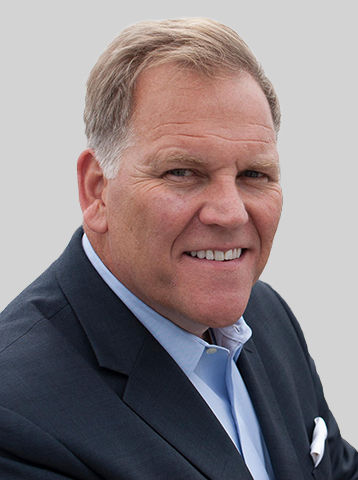
Source: MIRS.news, Published 08/20/2026) Abdul El-Sayed has an old problem.
The Democratic U.S. Senate nominee leads Republican Mike Rogers by a single percentage point statewide in a new AARP poll, but trails Rogers 52% to 43% among Michigan voters age 50 and older – the segment of the electorate most motivated to vote this November.

And the problem may not simply be that older voters are more Republican.
In the same poll, Democratic gubernatorial nominee Jocelyn Benson performed substantially better than El-Sayed among older swing voters, suggesting ticket-splitting could become an important factor in the Senate contest.
The findings are included in the new AARP Michigan survey data released Thursday. Conducted Aug. 9–11 by the bipartisan polling team of Fabrizio Ward and Impact Research among 877 likely voters, the poll's margin of error is +/- 3.3 percentage points.
Overall, El-Sayed leads Rogers 48% to 47%. Among voters younger than 50, however, El-Sayed holds a 14-percentage-point advantage. Rogers more than makes up for that deficit among voters age 50 and older, where he leads by 9 points. That age gap is particularly important because older voters report being considerably more enthusiastic about participating in the November election.
AARP found 86% of Michigan voters age 50 and older are extremely motivated to vote, compared to 71% of voters younger than 50.
The Senate numbers become even more striking among older voters who don't consistently vote a straight party ticket. Rogers leads El-Sayed by 33 percentage points among those 50-plus swing voters.
The gubernatorial contest tells a much different story.
Benson leads Republican gubernatorial nominee John James by 28 percentage points among older swing voters, a 61-point difference from Rogers' advantage over El-Sayed in the same group.
The contrast suggests older swing voters are not simply voting Republican across the board and raises the possibility that candidate-specific factors are contributing to El-Sayed's weakness with the group.
The priorities of older voters also offer some insight into what could drive their decisions this fall.
AARP found 93% of voters age 50 and older consider a candidate's position on Social Security important to their vote. Prescription drug costs were cited by 86%, while 77% pointed to Medicare.
Those numbers underscore the challenge for both Senate candidates as they compete for an older electorate that is not only highly motivated to vote, but could play an outsized role in deciding a race that AARP's polling currently shows as essentially even.